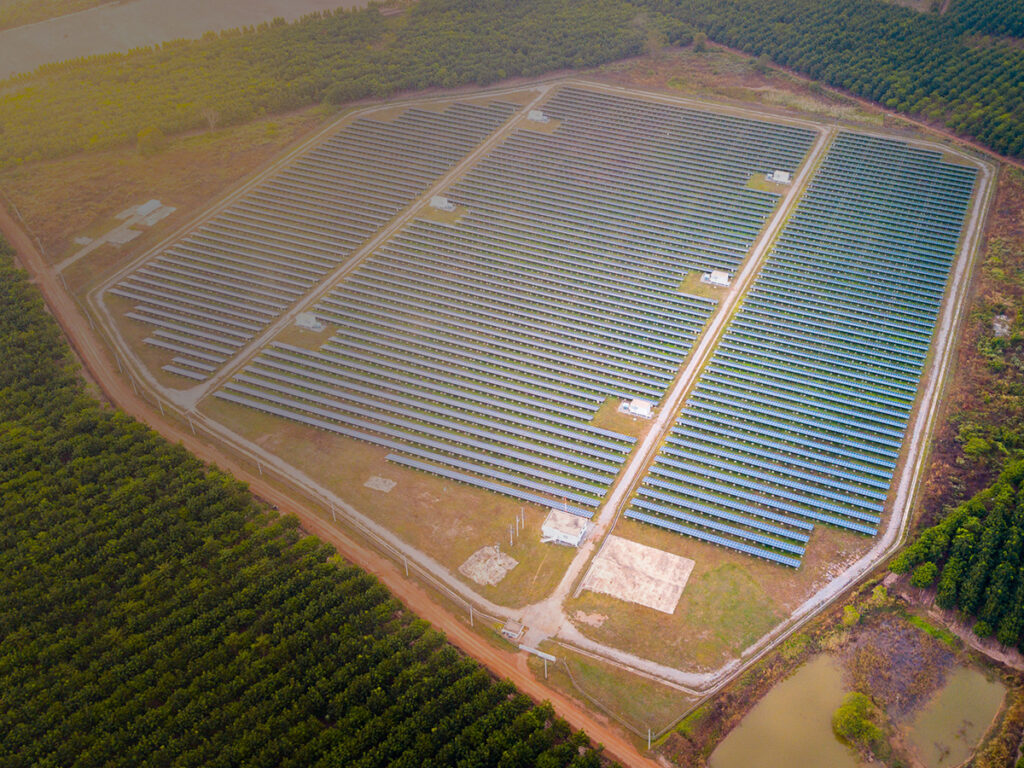
Another area where solar energy is used economically and efficiently is agricultural irrigation systems. These systems can be utilized in irrigation fields and farmlands that are not connected to the electrical grid. With this system, farmers can easily meet their water needs in the areas they wish to irrigate by using either submersible pumps or surface pumps.
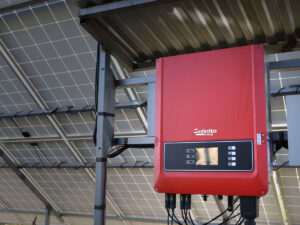
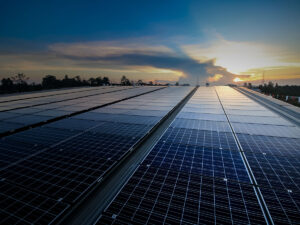
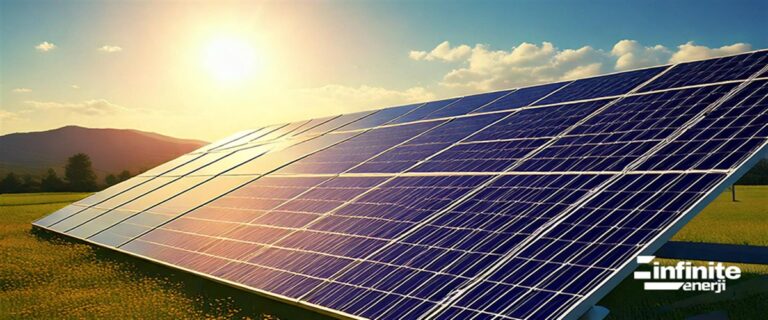
The system consists of solar panels, a power conditioning unit/motor drive, solar panel mounting structures, and, when necessary, a water storage tank.
The maximum instantaneous power generated by the solar panels is transmitted to the motor drive. Based on the available power, the drive adjusts the pump shaft speed or torque, enabling high water flow rates during midday hours and lower flow rates in the morning and evening.
In a solar-powered irrigation system, the solar irrigation inverter ensures that the system operates at its Maximum Power Point (MPPT).
Water can be used immediately as it is pumped, or it can be stored for irrigation during the evening or at night. The system does not require external batteries or accumulators; instead of storing electricity, it stores water.
Storing water is significantly more cost-effective than storing electricity. This battery-free system is designed to drive the pump directly, effectively reducing construction costs, operating expenses, and routine maintenance requirements.
If desired, these systems can be managed through automation, allowing them to operate even more efficiently.
Benefits of Solar-Powered Irrigation Systems
► Operates independently of the electrical grid.
► Low maintenance and operating costs.
► Electrical losses are minimized.
► Converts solar energy into electricity with high efficiency.
► No need for subscription applications or utility connection procedures.
► Can operate in a hybrid configuration with grid support for systems that run year-round.
► Eliminates the need for long cable runs or generator usage.
► Long service life.
► Easy and practical installation.
► Modular design.
► Environmentally friendly.
Without replacing your existing irrigation pump, this system can be installed using specially manufactured devices that transfer the energy generated by the solar panels directly to your current pump, enabling it to operate using solar power.
The equipment to be used in the system and the overall project cost are determined through technical design and engineering calculations. To prepare the project, our engineers require the following information:
► Well depth (meters – for submersible pumps only)
► Required daily water quantity (tons)
► Irrigation season (starting and ending months)
► Installation location (village, town, or city name)