



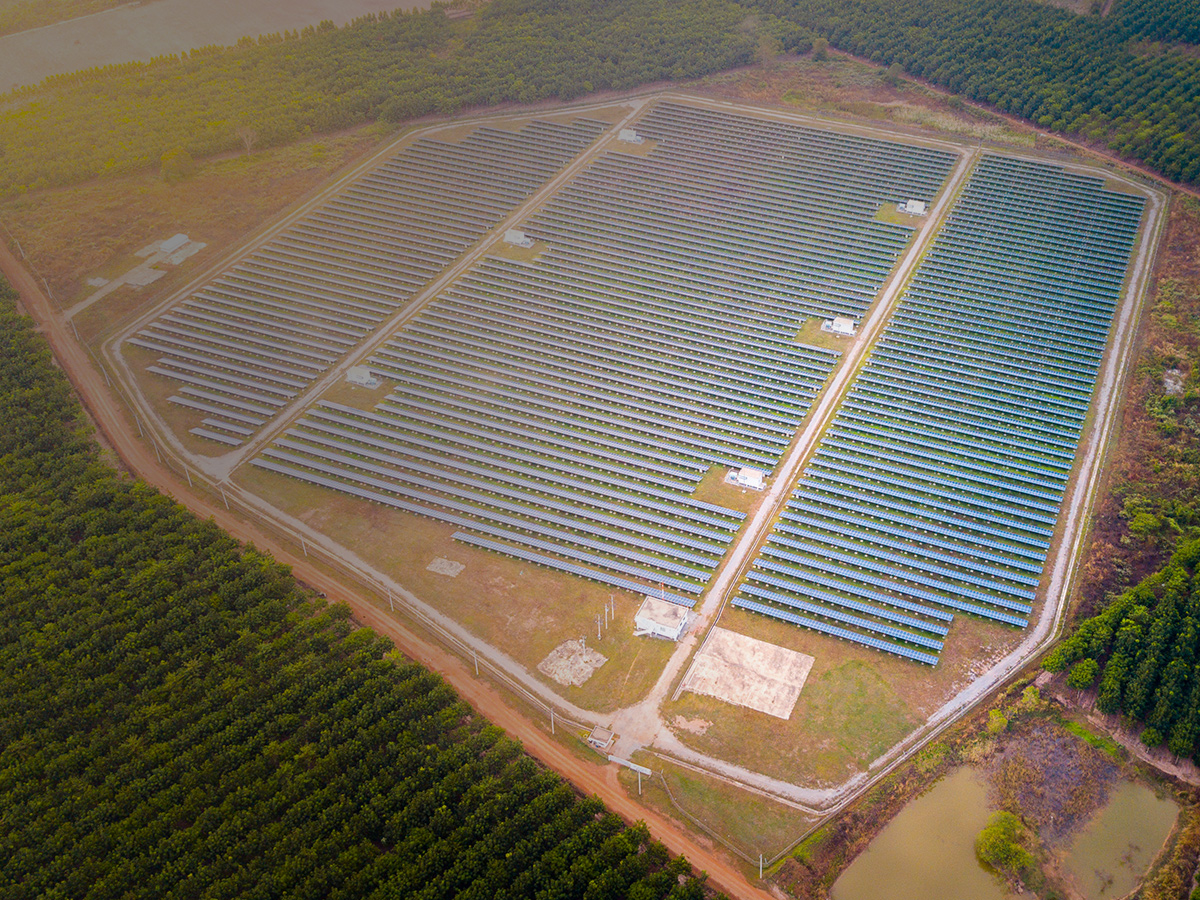
On-grid and off-grid solar energy systems are among the most effective technologies for utilizing renewable energy sources. Off-grid systems, also known as stand-alone or battery-based systems, provide ideal solutions for areas where access to the electrical grid is unavailable or economically impractical. These systems are widely used in mountain cabins, rural homes, farms, signaling systems, highway signs, and telecommunications base stations.
Main Components of Off-Grid Systems
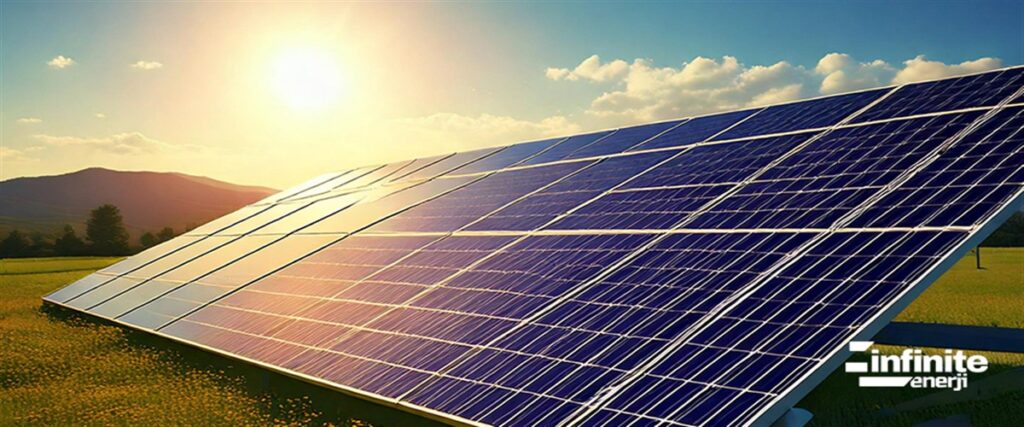
Solar Panels
Convert sunlight into electrical energy.
Gel Batteries
Store the energy generated by the solar panels.
Charge Controllers
Ensure the batteries operate efficiently and safely.
Inverters
Convert stored energy into usable electricity.
Solar Trackers (Mounting Structures)
Position the panels optimally to maximize energy production and improve system efficiency.
Advantages of Off-Grid Systems
Cost-Effective Solution
The most economical alternative for locations without access to the utility grid.
No Fuel Costs
Solar energy is completely free, renewable, and environmentally friendly.
Fast and Easy Installation
Can be installed quickly with a small workforce.
Flexible Design
The system can be expanded or installed in phases according to future energy needs.
Low Maintenance Costs
Designed for long service life and reliable performance.
Key Considerations When Designing an Off-Grid System
1. Energy Efficiency
Before installation, replacing existing equipment with energy-efficient models can reduce overall system costs by up to 40%.
2. Daily Energy Consumption Analysis
The daily energy demand of the installation site must be carefully calculated.
3. Site Assessment
Engineers evaluate potential shading issues and determine optimal spacing between solar panels.
4. Seasonal Usage Analysis
System sizing is determined based on whether the site is used seasonally or year-round, helping avoid unnecessary investment costs.
5. Inverter Selection
The inverter must be selected according to the energy requirements of the connected loads and should be capable of handling high startup currents.
6. Roof and Ground Installations
Special mounting structures that protect roof insulation or solar tracking systems can increase energy production by up to 35%.
7. Battery Protection
Proper ventilation and installation conditions are essential to maximize battery lifespan and performance.
8. Cable Distance and Sizing
To minimize energy losses, the distance between solar panels, batteries, and inverters should be kept as short as possible, and appropriately sized cables should be used.
Comparison with On-Grid Systems
On-grid systems operate in connection with the utility grid and allow excess generated energy to be fed back into the grid, creating additional savings. Off-grid systems, on the other hand, store energy in batteries and provide complete energy independence. They are the most suitable and sustainable solution for areas without grid access.
Powerful Solutions with Infinite Energy
Infinite Energy is a leader in the professional installation of both on-grid and off-grid solar energy systems. Our team of expert engineers conducts detailed pre-installation assessments to provide the most efficient and cost-effective solutions. All equipment used in our projects is carefully selected for durability, reliability, and environmental sustainability.
Invest in a sustainable future with renewable energy. Contact Infinite Energy today to learn more about our on-grid and off-grid solar energy solutions.